Most people see mowing as a chore - a way to keep the garden looking ‘tidy.’ But at Gtech, we look deeper. We call it grassology: it’s not rocket science, rather a way of looking at the health of your lawn simply beyond keeping it short.
Think of your lawn as a living thing rather than a carpet. When you understand a little bit more about how it grows, mowing becomes a way to keep your garden thriving. Here’s our step-by-step guide to mowing, the Gtech way.
1. Check the conditions
Before you get the mower out, have a quick look at the ground:
- Wait for dry weather: You should only mow when the grass and soil are dry.
- Avoid compaction: Mowing on dry ground prevents the soil from compacting under your mower’s wheels. It also ensures the blades slice the grass cleanly, rather than tearing it to shreds.
- Pro tip: If you’re dealing with a damp lawn, check out our guide on mowing the lawn when wet for specific advice on how to handle it safely – for your lawn, you and your mower.
- Frost watch: Always avoid mowing the lawn after a frost. Walking on frozen grass can cause the blades to snap and leave permanent brown footprints. Not what any lawn proud homeowner wants
2.The ‘one-third’ rule
It’s tempting to cut the grass as short as possible to save time later, but ‘scalping’ the lawn can do more harm than good.
- The golden rule: Never take off more than a third of the grass height in one go.
- Why?: Grass uses its blades to collect the sunlight and stay strong via photosynthesis. If you cut too deep, you shock the plant, which can lead to yellow patches and weed growth.
- Scheduling: To keep your lawn at the perfect height throughout the year, follow our guide on when and how often to mow your grass.
3. Keep it sharp
A clean cut isn’t just about looks. It’s about the health of the plant too.
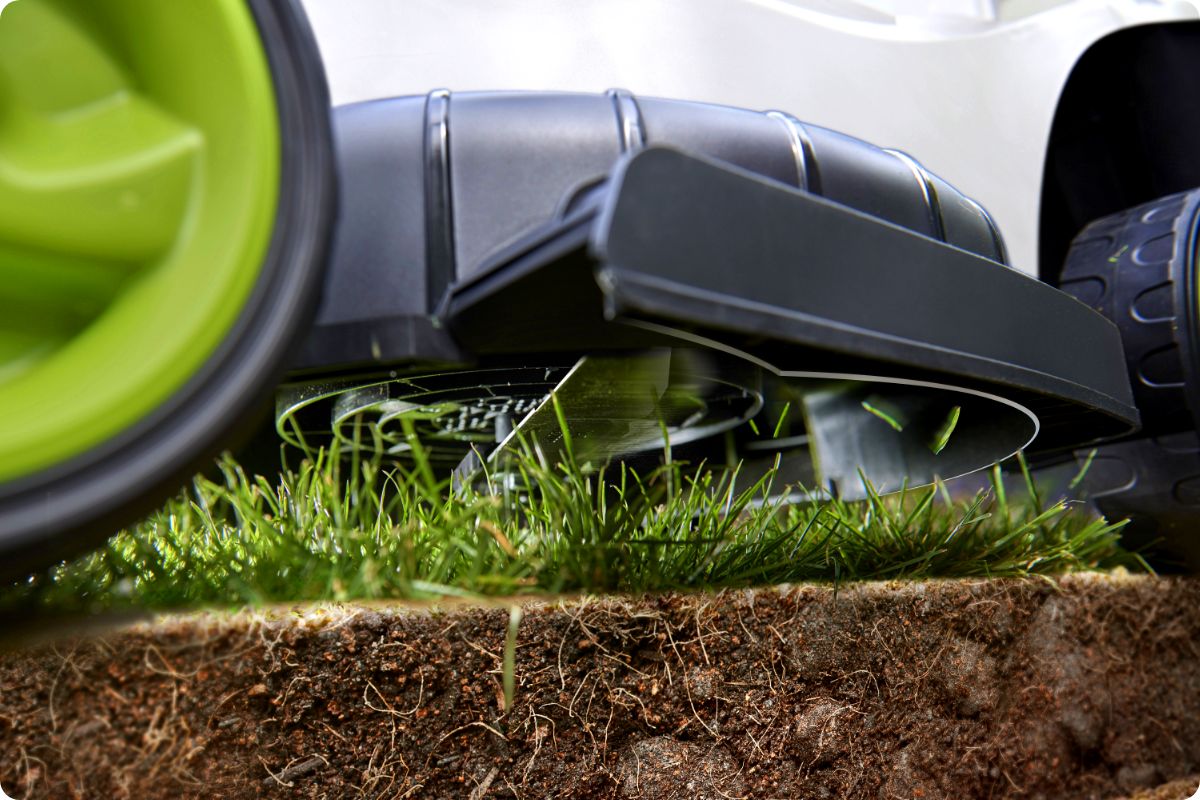
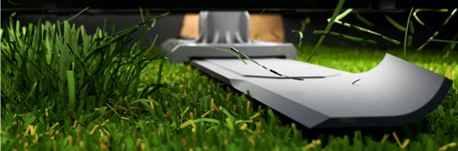
- Your equipment: Make sure your mower blades are sharp. If the carbon steel omniblade on your Gtech SLM50 or CLM50 is dull, you can buy a spare or replacement blade direct from our site.
- The impact of blunt blades: They ‘bruise’ the grass, leaving the tips looking ragged and brown. A sharp, high-torque Gtech omniblade slices through, allowing the lawn to heal faster and stay a vibrant green.
4. Start with the edges
This is what will get you a nice-looking professional finish.
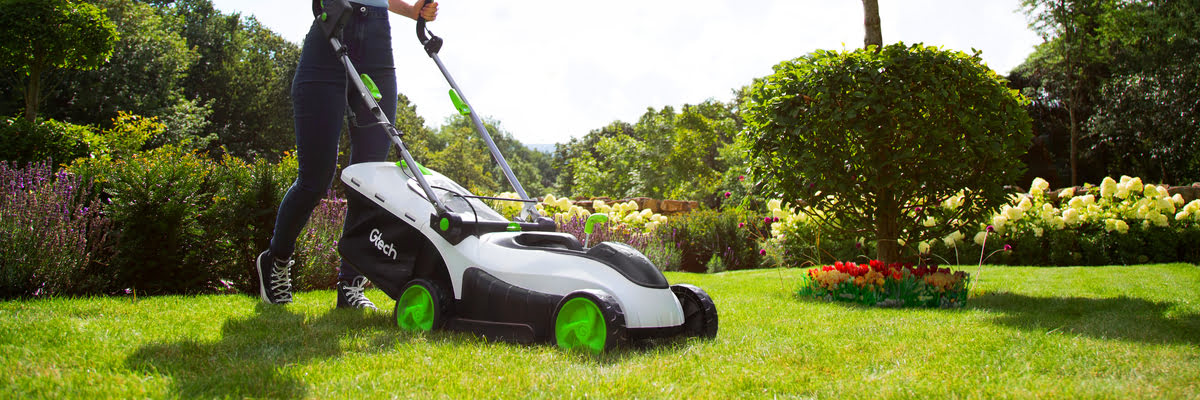
- The technique: Mow from the perimeter of your lawn first. Once the edges are done, move back and forth in straight lines, slightly overlapping each pass.
- The benefit: Starting with the edges gives you a clear boundary and makes it much easier to see where you’ve already been. You won’t miss any patches this way.
5. Listen to your mower
Whether you’re using a petrol, corded electric or battery-powered model, the speed of the blade is key.
- Petrol mowers: You may need to manually adjust the throttle to keep the blades spinning fast enough through thicker patches.
- Electric (corded and battery) mowers: Many models have this covered for you. The CLM50, for example, features an intelligent blade. It senses thick grass and automatically boosts its speed from 2,800rpm to 3,500rpm.
- Slow down: If you hear the motor pitch change or ‘rev up,’ don’t push harder. Instead, slow your walking pace. This gives the blades more time to process the grass, ensuring a clean, healthy ‘slice’ rather than a ragged tear.
6. Switch up your direction
We all have our own default when it comes to walking the lawn, but it’s worth changing it.
- The action: Every few mows, change the direction you cut in (i.e. if you usually go north-to-south, try east-to-west next time).
- Why?: Doing this will prevent the grass from ‘leaning’ in one direction. It’ll also prevent your mower’s wheels from creating permanent ruts in the soil. This keeps the surface level and healthy.
7. To mulch or not to mulch
What you do with your grass clippings can actually feed your lawn.
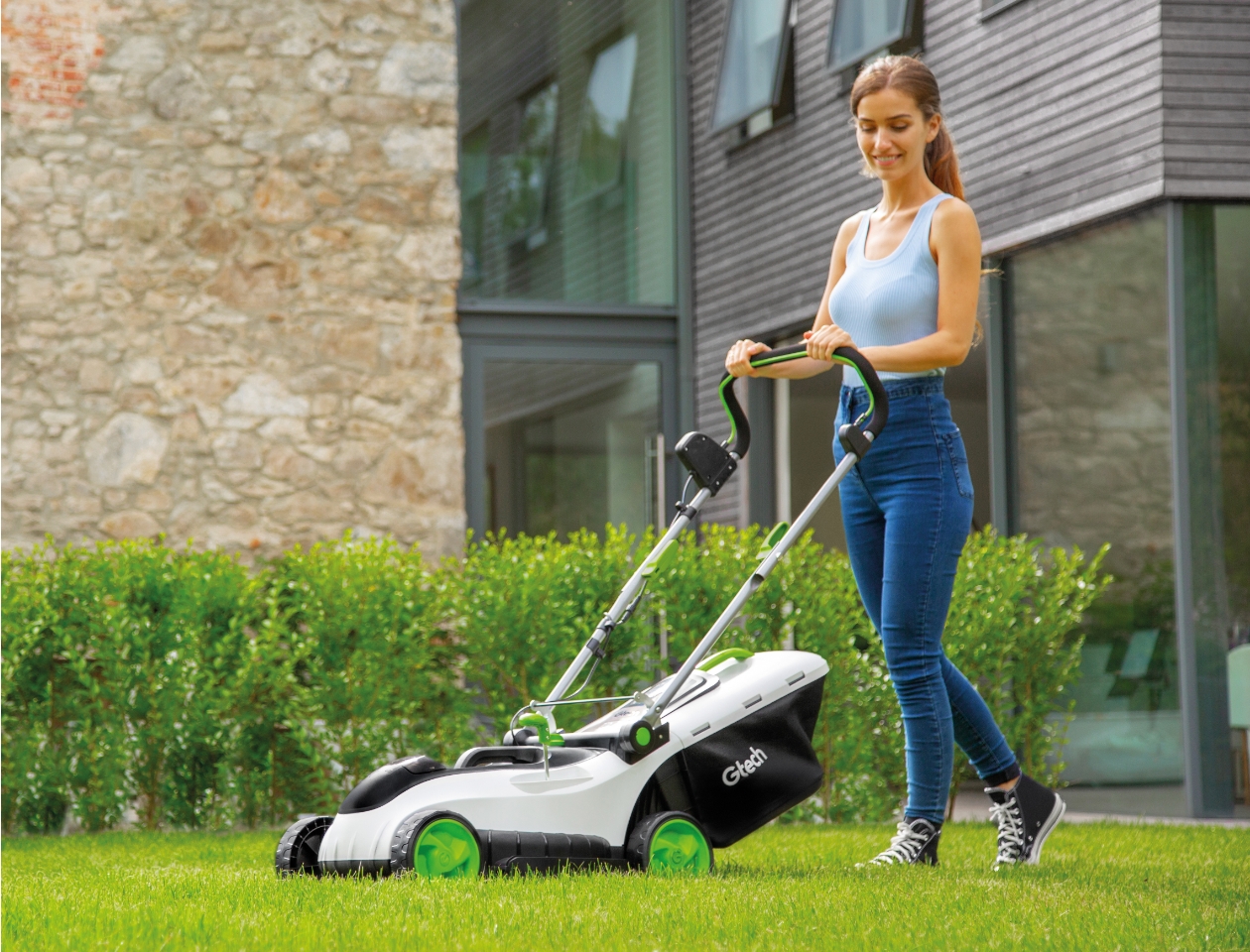
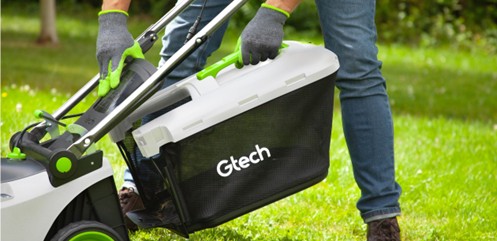
- Mulching: If the grass is short and dry, consider mulching (letting the clippings fall back into the lawn). The SLM50 is designed to mulch your grass.
- Collection: If the grass is longer or a little damp, use the collection bag to capture them.
- Why?: Grass clippings act as a natural fertiliser, returning nutrients to the soil as they decompose. However, when damp, they can clump together and suffocate the grass underneath
Mowing isn’t about cutting grass - it’s about protecting it
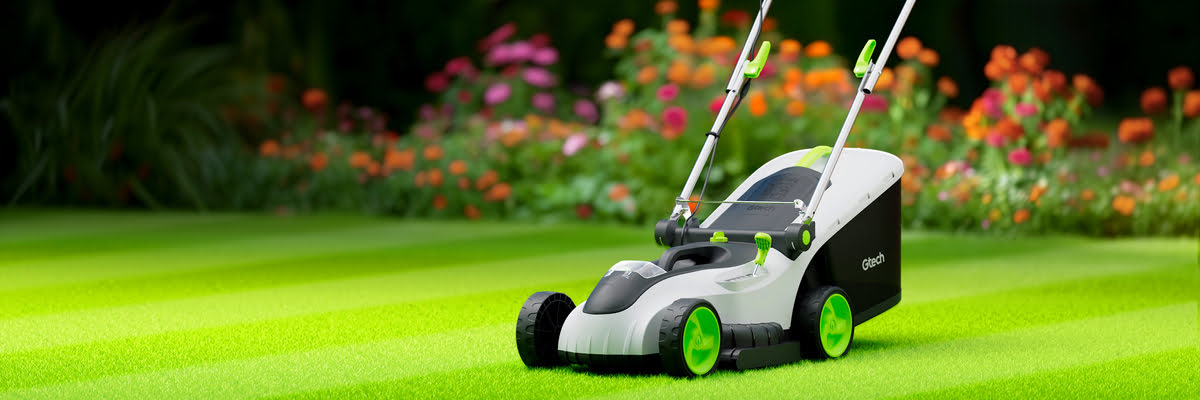
A healthy lawn isn’t created by cutting it as short as possible. It’s created by mowing in a way that works with how grass grows.
When conditions are right, blades are sharp, and you only remove what the plant can comfortably recover from, you’re not just tidying the garden - you’re protecting the roots, strengthening the grass, and encouraging thicker, greener growth. A clean slice heals quickly. A torn blade struggles, inviting stress, weeds, and disease.
Get the basics right and your lawn does most of the hard work itself. That’s the thinking behind grassology, and why Gtech mowers are designed to slice cleanly and consistently - helping you mow less reactively, and care for your lawn more confidently.