For many UK gardeners, a lawn is more than just a patch of green; it’s a living, breathing space for the family to enjoy. To keep it looking its best, we like to think about ‘grassology’ - the simple idea that a healthy lawn depends on the relationship between your soil, the grass plant, and the tools you use to maintain them.
By looking at the ‘why’ behind the cut, you can move beyond a fixed calendar and give your lawn exactly what it needs to thrive.
When to mow the lawn: the short answer
You should ideally mow your lawn when the grass is actively growing, and the soil temperature is consistently above 5°C (typically March to October in the UK).
During the peak growing summer months, aim to mow once a week, ensuring you never remove more than one-third of the grass blade height in a single session. When there’s a lack of rain, you can leave this to once every two weeks or longer. When spring and autumn arrive, mowing once a fortnight or, if you’ve seen lots of growth, once a week is ideal.
Setting the right height
The height of your cut is one of the most important factors in lawn health. You adjust the mower height to protect the plant's ‘heart’ (the crown) from the changing British weather
What is mower height?
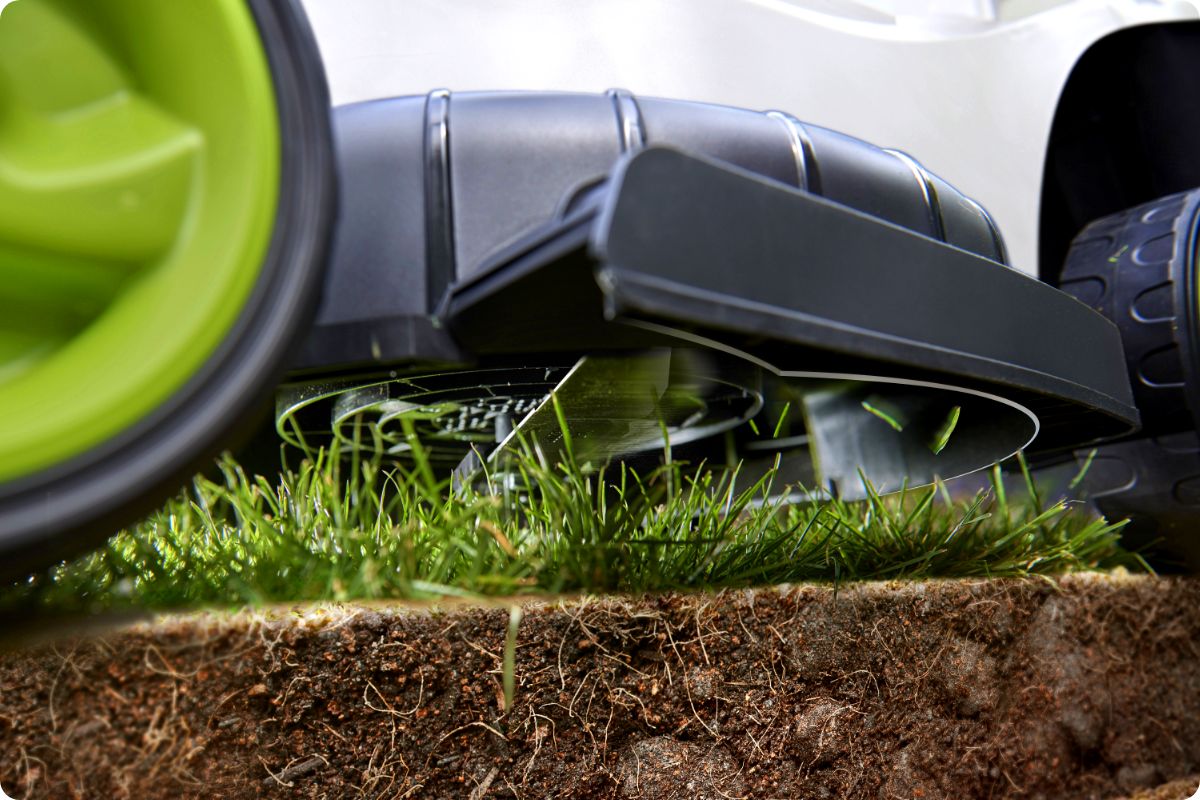
Mower height refers to the distance between the mower blade and the ground. Most Gtech models feature an adjustable lever that allows you to move the chassis up or down.
The Royal Horticultural Society (RHS) recommends adjusting your cutting height to suit the time of year.
| Season | RHS Recommended Height | Why? |
| Spring & Autumn | up to 40mm | Longer grass protects against late frosts and helps the plant compete with moss. |
| Summer | 13mm-25mm | Allows for a tidy finish during the fastest growth period of the year. |
Engineering for the environment
 "When we design a mower, we aren't just looking at the machine; we’re looking at the interaction between the blade and the blade of grass. A heavy, cumbersome mower makes the job a chore for the gardener, but it’s also tough on the lawn. By focusing on high-speed blade rotation and a lightweight chassis, we ensure a clean, precise cut that allows the garden to recover quickly. It’s about making the technology work in harmony with the environment, not against it." - Nick Grey, Gtech Founder & Inventor]
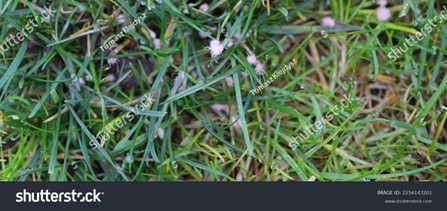
Pictured: The early signs of red thread lawn disease (Laetisaria fuciformis), which is identifiable by the pink-red threads on grass leaves.
The science of ‘plant healing’
A high-speed cordless lawnmower cut acts like a surgical snip. Unlike heavier mowers that can ‘tear’ the grass, a precise cut allows the plant to seal its ‘wound.’ This keeps the grass hydrated and prevents diseases like Red Thread from taking hold.
The ‘One-Third Rule’
You may have heard of the One-Third Rule. It has many advocates in the gardening world, including the RHS. The rule is to never cut more than 1/3 of the total height of the grass in a single session.
Why? Each blade of grass is a solar panel. If you ‘scalp’ your lawn, the plant loses its ability to photosynthesise. This shocks the ecosystem, forcing the grass to use its root energy for repair rather than growth. It’s then vulnerable to weeds and drought.
In short: Never remove more than one-third of the grass blade in a single cut.

When to start and stop mowing
In the UK, the mowing window is dictated by biology, rather than a date in the calendar. So, these recommendations provide a rough guide - especially given the changeable climate we have here.
- When to start mowing the grass: Spring - wait for the first flush of growth and ensure the ground is firm enough to walk on without leaving imprints.
- When to stop mowing the grass: Late autumn/early winter - when growth ceases, this is when it’s time to stop mowing. Typically this happens in late October or early November depending on how mild the conditions are.
You should avoid mowing a frozen lawn. Frost turns the water inside grass cells into ice. Pressure then causes these crystals to shatter the cell walls, resulting in black, dead footprints that won’t recover until spring.
Although we get plenty of rain in the UK, you should avoiding mowing a wet lawn. It can ruin the turf, causing soil to compact, the grass to clump and it’s not great on your lawnmower either. Find out more in our Can You Mow Wet Grass? guide.
Establishing new life: seed and turf
When should you mow new turf?
Newly laid grass needs time to ‘knit’ its roots into the soil below. Rather than following a strict calendar, the RHS suggests waiting until the grass has reached approximately 5cm (2in) in height.
Before you mow, perform the ‘Turf Tug Test’: gently pull on a handful of grass. If the turf resists and stays firmly on the ground, the roots have established. If it lifts, it requires more time to settle. Ensure your mower is on its highest setting for this first cut.
When should you mow after seeding grass?
For newly sown seed, patience is the priority. The RHS recommends waiting until the new blades of grass are between 5cm and 8cm (2-3in) tall. This can take around six to eight weeks to occur.
Why lightweight cordless mowers are better for your soil
- Avoid Compaction: Heavy petrol mowers can weigh more than 30kg, crushing the air pockets (macropores) in your soil. A lightweight lawnmower, like the Gtech SLM50 or CLM50, preserves these pockets, allowing oxygen and water to reach the roots.
- Manoeuvrability: Lighter frames prevent ‘scuffing’ on turns, protecting the delicate edges of your lawn from being torn up at the root.
Choosing a mower designed with turf and soil health in mind can make a lasting difference to your lawn.
Looking for more gardening guidance? Read our How to Mow the Lawn guide for more tips and tricks.
FAQS
Can I mow my lawn twice a week?
Yes - during peak growth in late spring and early summer, mowing twice a week can be beneficial if you follow the One-Third Rule.
Grass grows fastest when temperatures are warm and moisture is consistent. More frequent mowing removes smaller amounts of leaf tissue each time, which reduces stress on the plant and encourages thicker growth. This approach is commonly used for ornamental lawns.
For most UK domestic home lawns, however, mowing once a week is usually enough.
What time of day is best to mow the lawn?
The best time to mow in the UK is late morning or early evening, once dew has dried and the grass is actively growing.
You should avoid:
1. Early morning (the grass is wet and vulnerable)
2. Midday in hot weather (this causes moisture stress)
3. Evening if grass won’t dry before nightfall
Dry blades and mild temperatures allow the grass to heal quickly after cutting.
What happens if I don’t mow my lawn regularly?
The UK weather can often leave gardeners with little choice, but if you leave your lawn too long between cuts, the grass becomes stressed when it’s finally mown.
Removing too much height at once:
1. Shocks the plant
2. Forces it to divert energy from root growth to repair
3. Leaves bare soil where weeds and moss can establish
Irregular mowing also leads to uneven growth and a patchier appearance over time.