It’s one of the most frustrating things about cleaning. You wheel out a heavy vacuum from the cupboard to tidy a mess, only for your house to feel far dirtier than before. From smoky, metallic odours to the musty smell of mould, it’s never ideal for spring cleaning to feel so, well, unclean.
But what causes a vacuum to get smelly? Is it something that can be fixed? And can vacuuming ever truly rid your home of bad odours? In this article, we’ll delve into why your home might smell worse after vacuuming and, more importantly, how to stop it from ever happening again.
What causes ‘that’ vacuum smell?
As open-circuit airflow machines, vacuums pull air in and exhaust that same air back into the room to create suction. If your machine has seen better days, then it might be leaving a peculiar whiff about the place. There are three reasons why your vacuum smells.
Moisture
Moisture is one of the biggest reasons behind a bad-smelling vacuum. Sucking up a damp patch of carpet or moist garden debris creates a humid microclimate inside the bin. This is the perfect breeding ground for mould and bacteria, which thrive inside the warm motor, and leave a musty odour as they grow
Dirt bins and bags
Every time you clean, air is forced through the vacuum bin or bag. If you’ve collected food crumbs or dirt, this air picks up scents and exhausts them directly back into the room. In some bagged models, the fabric can even absorb these odours, meaning the bag itself can become a source of smelly air over time.
Brush-bars
If your vacuum has a brush-bar, then there’s a chance it could be holding onto clumps of hair, dirt, and debris. When things wrap tightly around the bar, the motor must work harder to overcome the resistance which leads to overheating. This then restricts performance and can result in a burning smell because the trapped debris is being heated by friction.
Can vacuuming actually make your home smell better?
There’s no doubt that vacuum cleaners are effective against mess. From crumbs and pet hair, to dust and dirt, vacuums are built to remove physical particles, which are nearly always carrying an odour. However, successful odour removal often depends on whether the smell is surface-level or deep-seated.
What is a surface-level smell?
Most everyday smells are superficial. They come from solid particles like pollen, dead skin cells, or outdoor dirt, absorb odours, and settle on surfaces around the home. Most vacuums can make light work of these surface-level smells by simply removing the debris and getting rid of the scent at its source.
What is a deep-seated odour?
Unlike surface-level smells, deep-seated odours are often liquids that have moved into soft furnishings, carpet, and floorboards. If a spillage, such as milk or a pet accident, has soaked in, the physical suction of a vacuum cannot reach the root of the problem.
In these instances, vacuuming is a great first step to remove any loose grit, but it should be followed by a specialist treatment. Certain spot cleaners, like the Penguin Spot Cleaner, are designed specifically for removing liquids from carpets and upholstery. Through extra-powerful suction and a strong flow of sanitised water, it can remove odour-causing spills before they’ve had a chance to settle in.
What household waste is worst for bad smells?
If your vacuum is starting to smell, then it could be time to look at what you’re asking it to suck up. Different types of household debris react differently to being trapped in a dark, warm container. So, if you’re aware what causes a bad smell to build, you can catch it early.
Kitchen crumbs
It can be tempting to use a vacuum for a quick sweep of the kitchen floor, but sucking up organic matter - like tiny bits of dropped food, vegetable peelings, or cereal - is a recipe for disaster. Once inside the bin, these items begin to decompose and releases gases, which are then exhausted back into the room when you switch the machine on.
Pet hair and dander
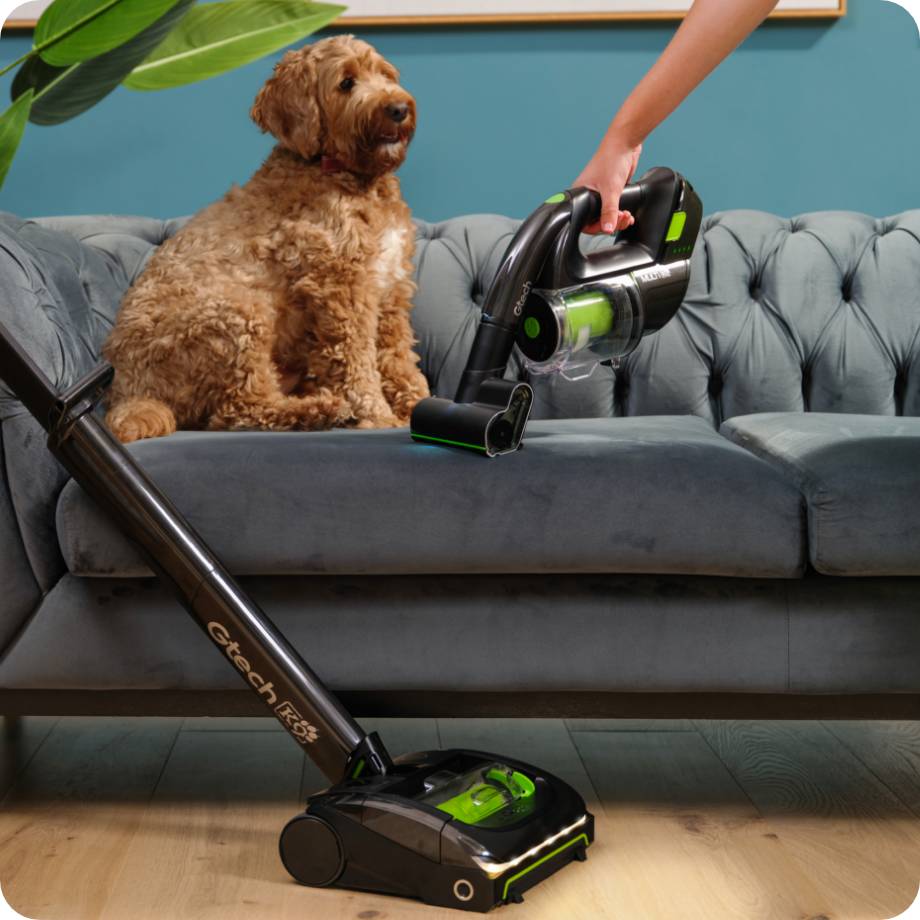
For pet owners, the ‘doggy smell’ is a common battle. Pet hair is coated in natural oils and often carries dander (dead skin cells). When these are sucked into a vacuum, the warmth of the motor heats those oils, releasing a fatty scent.
Pets that have been playing in the rain or swimming in the local river, are even smellier beasts. Dirty water clings to the fur, leading to a classic wet dog aroma that lingers in your vacuum for weeks.
House plants and soil
Sucking up dry dirt or fallen leaves from indoor plants might seem harmless, but soil is full of bacteria. If there is even a hint of moisture in there, it will multiply rapidly inside your vacuum bag or bin. This is the primary cause of that earthy mustiness that many people associate with older vacuum cleaners.
Fireplace ash and fine dust
It might seem like a vacuum’s bread and butter, but very fine dust (like plaster dust or cold fireplace ash) can cause a horrible smell. These particles are so small that they can sometimes bypass filters and enter the motor housing itself. Once there, they create extra friction and can lead to a burnt, metallic scent that is tricky to remove.
How to stop your vacuum from smelling
Vacuum cleaners keep your home clean, but who keeps them clean? If you wait until the vacuum is completely full before tending to it, you could be leaving organic material to decompose - a process that inevitably comes with a stink.
The key to a nice-smelling vacuum lies in your bag emptying strategy, filter maintenance, and whether your model features any in-built clean air solutions.
Emptying strategy
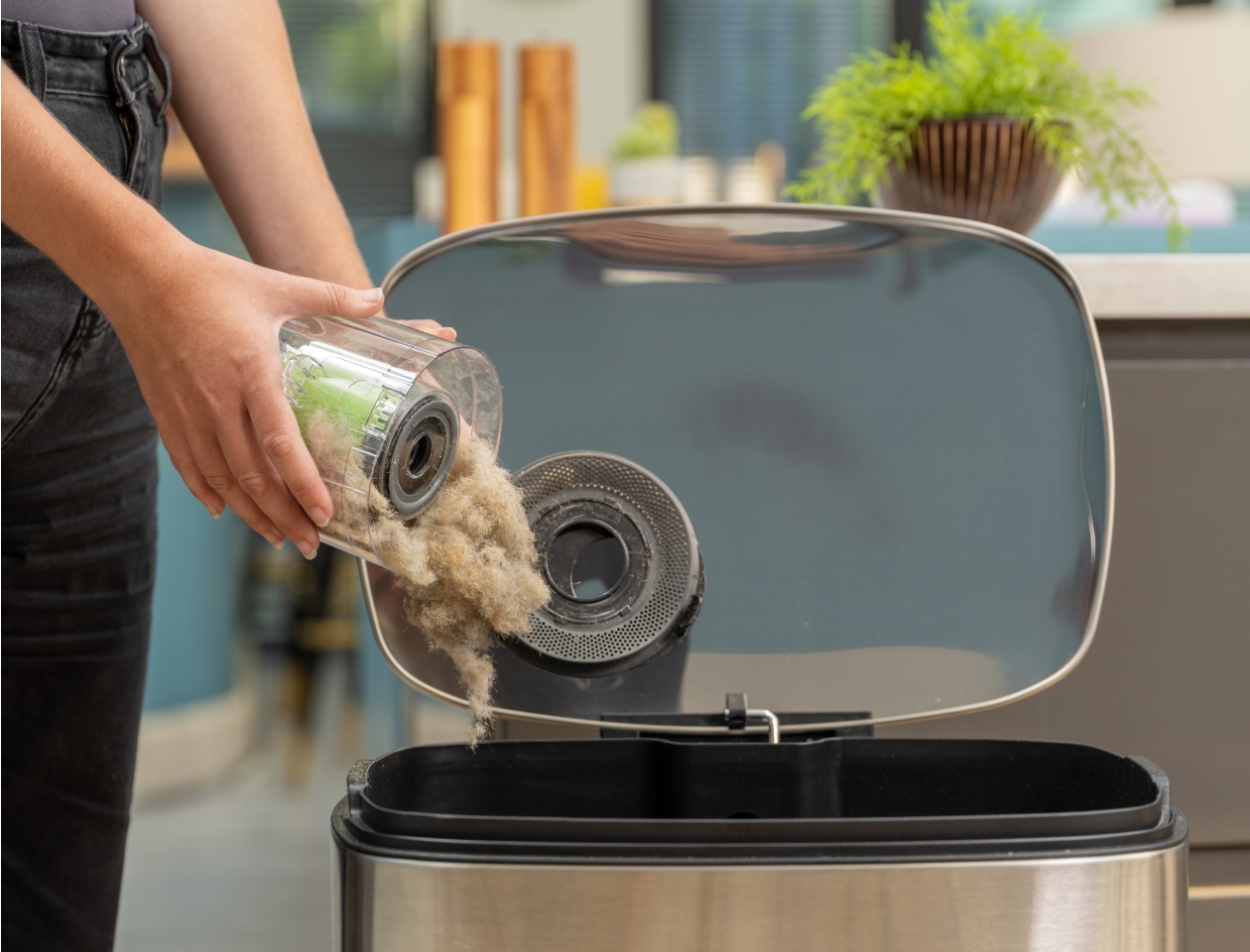
The most common mistake is waiting for the vacuum bin or bag to be completely full. This traps moisture and compresses organic matter, which accelerates the growth of mould. To avoid bad smells forming, the container should be emptied when it is roughly three-quarters full, so air can circulate freely and the internal environment can stay dry.
Filter care
Your vacuum filters are the first line of defence against microscopic, odour-carrying particles. Whilst it’s good practice to wash your filter monthly with lukewarm water, the most important step is the drying process. After all, a damp filter is a breeding ground for musty smells and bacteria.
We’d recommend leaving your vacuum filter to dry in a ventilated space for at least 24 hours, making sure it’s bone-dry before reinserting. It’s not always practical to wait a full day between vacuuming sessions, especially if you live with pets, so it’s worth investing in a spare filter to ensure there is always a clean one in rotation.
Clean air solution
Modern vacuums now offer different ways to manage the quality of the air exhausted back into your home. For instance, some models of Gtech cordless vacuum have scented cartridges that sit in the filter system and replace stale air with a fresh scent. By treating the smell as it passes through the motor, you’ll be getting rid of it at its source - rather than just masking it.
Why poor suction could be making your vacuum smell
While hygiene is vital for a fresh-smelling home, a vacuum that isn't pulling air correctly can fast become an indoor pollutant. If your machine smells and isn't picking up as it should, it’s time to check for a blockage. Because vacuums rely on a continuous flow of air to lift debris, any bottleneck in the system will lead to a noticeable drop in performance and a rise in unwanted odours.
How to tell if a vacuum is blocked
The most obvious sign of a blockage is in its sound. If your vacuum sounds higher-pitched or more strained than usual, it might be struggling to pull air through its system. Even if the sound is no different, pay attention to the temperature of the casing. The machine may feel warmer as the motor has to work harder to overcome the bottleneck.
To clear a vacuum blockage, try the following:
- Wash the filters with lukewarm water and ensure they are bone-dry before reinserting.
- Use a blunt object in the tubes or hoses to unsettle any trapped debris.
- Empty the vacuum bin so there are no clumps of hair or fluff blocking airflow.
How to maintain a brush-bar
The brush-bar is responsible for lifting dirt particles from the floor into the suction path. When hair, threads, and debris wrap around the brush-bar, they create friction that slows the bar down, generates heat, and produces a strong burning smell.
To maintain your brush-bar, try the following:
- Use a specialised cleaning tool to slice through any hair-wrap along the length of the bar.
- Check for small stones or debris trapped at the ends of the brush-bar that could prevent it from spinning freely.
- Brush away any dried mud or dust from the bristles to ensure they can properly agitate the carpet.
Although manual cleaning is effective, some modern vacuum cleaners remove the need for brush-bar maintenance altogether. For example, the AirRAM 3 features a self-cleaning anti-hair wrap brush-bar, which has been designed to prevent the build-up of hair and debris. In doing so, your cleaning is never slowed down by blockages or bad smells.
Conclusion: Give your home a breath of fresh air
A smelly vacuum really can do more harm than good.
By staying on top of your filter maintenance, emptying the bin early, and keeping the brush-bar clear of debris, you’re ensuring that your vacuum is hygienic and your home is stink-free. Whether you choose to maintain your current vacuum, invest in a spot cleaner for deeper odours, or upgrade to a self-cleaning model, a little care can go a long way in keeping your home, and your air, feeling truly clean.
Visit our blog for more information on how to clean your vacuum cleaner.