How to Clean a Car Interior Properly: A Step-by-Step Guide
Knowing how to clean a car interior properly goes far beyond a quick vacuum and an air freshener. Dirt, dust, crumbs, pet hair and bacteria build up gradually, often in places that are easy to miss - under seats, inside vents, and deep within upholstery.
This guide explains how to clean the interior of a car thoroughly, using a vacuuming approach that’s safe for delicate materials and awkward spaces.
From choosing the right tools to tackling awkward crevices, this approach helps keep your car interior clean, comfortable and well maintained (and won’t leave you feeling embarrassed when you have passengers!).
In this Guide:
- What You’ll Need to Clean Your Car’s Interior
- How to Hoover Your Car – Start to Finish
- Should You Clean the Interior or Exterior First?
- Clear and Prepare the Interior
- How to Vacuum Car Carpet and Footwells
- How to Vacuum Car Seats Properly
- Can You Vacuum Leather Car Seats?
- How to Vacuum in Between Car Seats
- How to Vacuum Crevices in a Car
- How to Vacuum the Sides of Car Seats
- How to Vacuum Under Car Seats
- How to Vacuum Dog Hair from a Car Interior
- Cleaning Vents, Dashboards and Storage Areas
- Air Vents
- Dashboard and Screens
- Door Pockets and Gloveboxes
- How to Vacuum the Car Boot
- What to Avoid When Vacuuming Your Car
- How Often Should You Deep Clean a Car Interior?
- Why a Cordless Handheld Vacuum Works Well for Car Interiors
What You’ll Need to Clean Your Car’s Interior
Start by getting all the essentials – using the right tools will make the job quicker, and also reduces scratches on dashboards and scuffs to the upholstery. Here’s what you’ll need when taking on the task at home:
- A vacuum cleaner (cordless models are easier to manoeuvre; handheld models even more so)
- A soft dusting brush for vents, dashboards and screens
- A crevice tool for tight gaps and edges
- An upholstery tool for seats and carpets
- Microfibre cloths for final wipe-downs
The most practical choice for the job is a handheld cordless vacuum with interchangeable attachments – such as the Gtech Multi paired with our Car Cleaning Accessory Kit. It allows for easy access to confined spaces without the risk of trailing or tangled cables.
How to Hoover Your Car – Start to Finish
Should You Clean the Interior or Exterior First?
Always start with the interior.
Vacuuming and cleaning inside a car typically involves opening doors fully, moving seats backwards and forwards, and disturbing settled dust and debris. If the exterior is cleaned first, it’s easy to undo that work by tracking dirt or moisture back into the interior.
Cleaning the cabin first ensures loose debris is fully removed before finishing with the exterior, leaving the car clean inside and out without creating any unnecessary extra work.
Clear and Prepare the Interior
Get rid of all rubbish, personal items and loose objects from your car’s cabin. Take out floor mats and shake them outdoors to dislodge surface dirt. Slide your seats forwards and backwards to expose areas that are usually hidden.
Preparing the interior properly prevents dirt from being spread around as you clean.
How to Vacuum Car Carpet and Footwells
Start with the footwells and carpets:
- Remove floor mats completely
- Vacuum the carpet underneath before cleaning the mats separately
- Use slow, overlapping passes to lift embedded grit and dust
This helps prevent abrasive particles from wearing down carpet fibres over time.
Gtech Pro Tip: The Agitation Technique Before you turn on your vacuum, use a stiff-bristled upholstery brush to vigorously ‘scrub’ the dry carpets and mats. This agitates the fibres and brings deeply embedded grit and dried mud to the surface, allowing your vacuum to lift it away in a single pass.
How to Vacuum Car Seats Properly
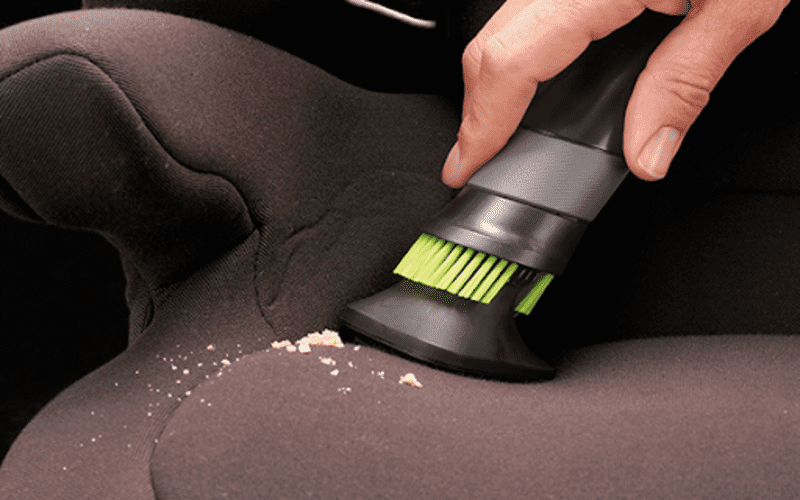
Car seats collect a mix of dust, crumbs, body oils and, in some cases, pet hair. Vacuuming them properly helps maintain comfort and prevents dirt from becoming embedded in the upholstery over time.
Start by adjusting the seat position to give yourself clear access to the base, backrest and sides. Use an upholstery tool rather than a flat nozzle, as the integrated brushing action helps lift debris from fabric and textured surfaces.
Work methodically:
- Begin at the top of the seat and move downwards
- Use slow, overlapping passes
- Pay close attention to seams, creases and stitched areas – these sections love collecting crumbs!
Hoovering in multiple directions helps loosen dirt that has settled into the fabric.
For the best results, vacuum seats regularly rather than waiting for visible dirt to build up - this reduces wear and makes deeper cleaning easier.
Can You Vacuum Leather Car Seats?
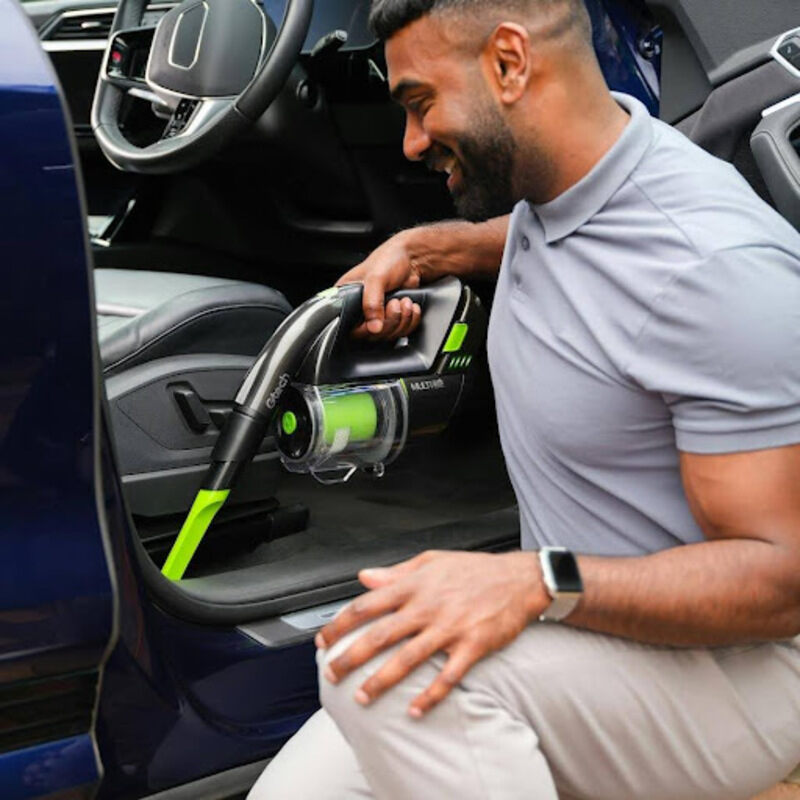
Yes - you can vacuum leather car seats, as long as you’re careful.
You want to avoid scratching, scuffing or creasing the leather. Using a soft brush attachment and gentle suction will allow you to do this. Vacuuming first removes dust and grit that could otherwise act as an abrasive as you wipe or condition the seats with leather cleaner.
How to Vacuum in Between Car Seats
Use a slim or flexible crevice tool to reach deep between seats without forcing rigid attachments into place. Work slowly from the top of the gap downwards, allowing suction to lift debris rather than pushing it further into the seat rails.
For best results, adjust the seat position and vacuum from multiple angles to access areas that are normally hidden.
How to Vacuum the Sides of Car Seats
Run the crevice tool slowly along stitched seams, seat edges and joins between upholstery and plastic trim. These seams naturally trap fine debris, particularly on fabric and leather seats.
Controlled, gentle passes help remove dirt without disturbing stitching or marking surrounding surfaces.
How to Vacuum Crevices in a Car
Flexible tools are especially effective in narrow or curved gaps, as they follow the shape of the space rather than dislodging debris deeper inside. Avoid fast or aggressive movements - slower passes give suction time to lift dirt and reduce the risk of scratching interior trim.
How to Vacuum Under Car Seats
Slide seats fully forward and then fully back to expose the floor underneath. This area often contains compacted dirt, grit and food debris that’s rarely disturbed during quick cleans.
Use a low-profile vacuum head or crevice tool, paying close attention to seat rails and mounting points where debris tends to accumulate. Just be sure to check for wires – as many modern vehicles have sensitive airbag or heated seat sensors. You don’t want to damage those!
How to Vacuum Dog Hair from a Car Interior
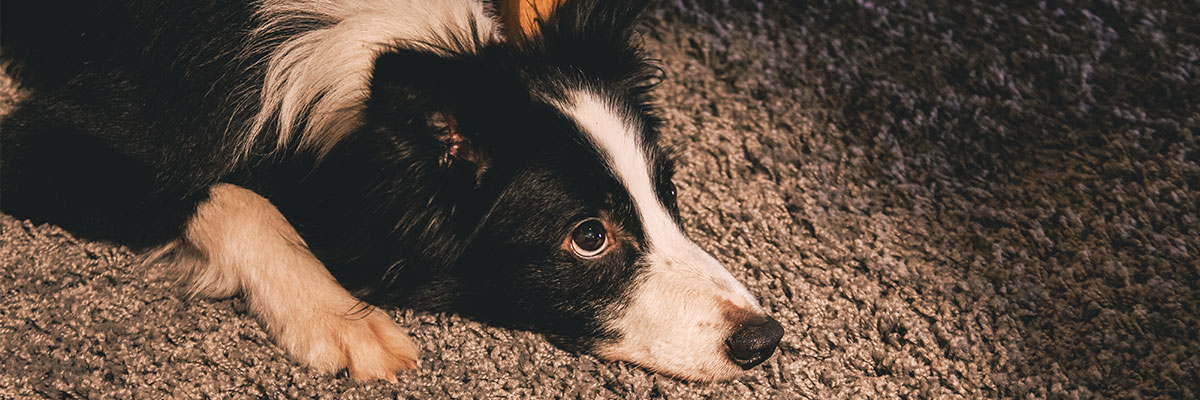
Pet hair clings to upholstery and carpets, making it one of the more challenging aspects of car interior cleaning. Once embedded, hair becomes really tough to remove without sufficient agitation to loosen it from fabric fibres.
To remove dog hair effectively:
- Use an upholstery tool with integrated brushing to loosen hair from fabric fibres
- Vacuum in short, overlapping strokes rather than long passes
- Work in multiple directions to lift hair that has settled into the upholstery
For pet owners, a vacuum designed with animal hair in mind can make the process easier. Handheld models such as the Gtech Multi K9 include a powered brush head, which helps agitate stubborn pet hair from upholstery and carpets.
The rugged aluminium components also make it ideal for regular use, while scented cartridges can help keep the car interior smelling fresh after cleaning.
Regular vacuuming prevents pet hair from becoming tightly woven into fabric fibres, reducing the need for more intensive cleaning later.
Gtech Pro Tip: Use Rubber to 'Magnetise' Pet Hair If it’s stubbornly woven into the fabric, wear a dampened rubber glove or use a dedicated rubber lint brush to swipe the upholstery in one direction. The friction creates static and clumps the hair together into small ‘rolls’ or ‘balls,’ making it much easier for your vacuum’s powered brush head to lift it away in seconds.
Cleaning Vents, Dashboards and Storage Areas
Air Vents
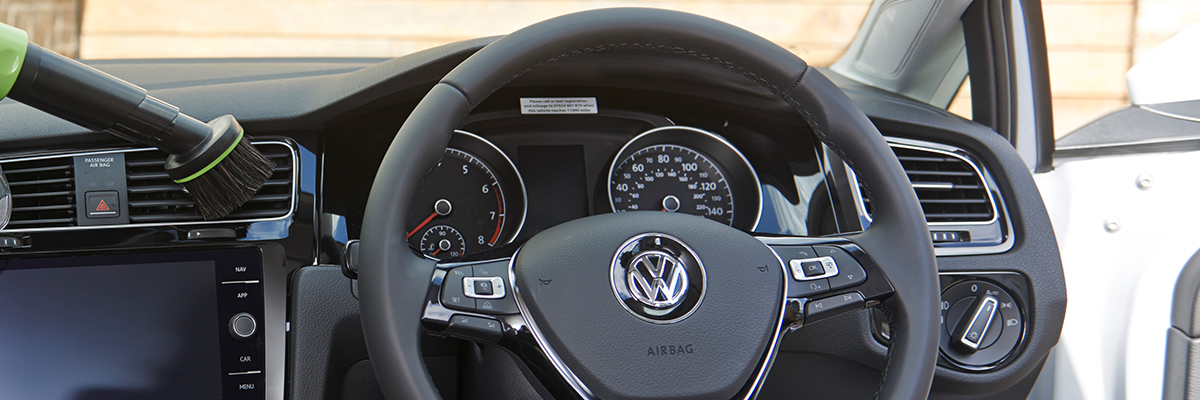
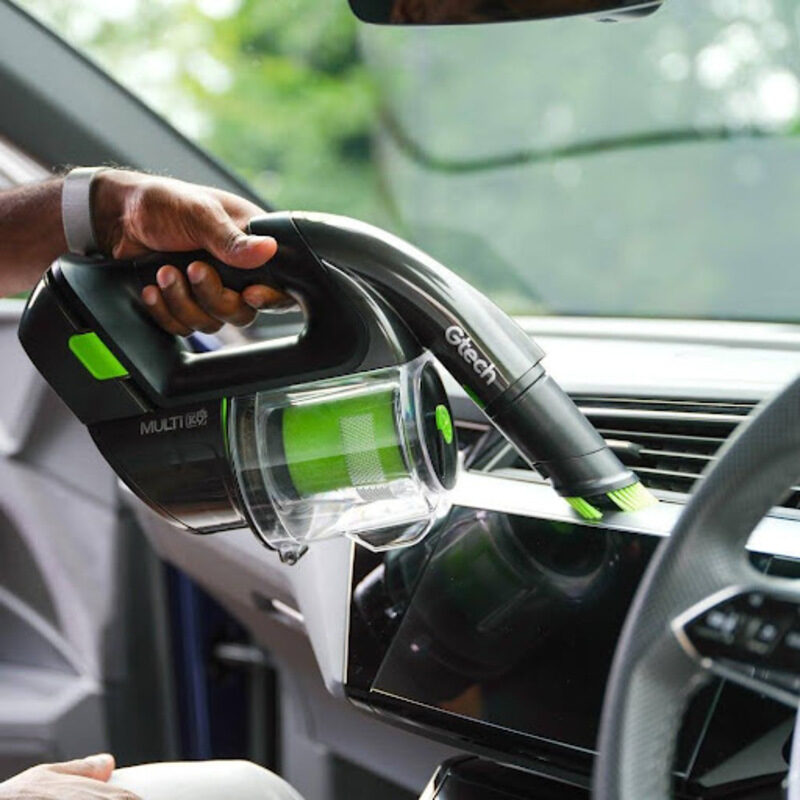
Air vents collect fine dust that can circulate through the cabin when heating or air conditioning is switched on. A soft dusting brush connected to a vacuum allows dust to be lifted away safely rather than blown into the cabin – which can exacerbate conditions for allergy sufferers.
Dashboard and Screens
Dashboards and infotainment screens should be cleaned gently. Avoid stiff brushes or aggressive wiping. A soft brush attachment removes dust without scratching, while suction ensures particles are removed rather than redistributed.
Door Pockets and Gloveboxes
Door pockets and gloveboxes often collect crumbs and debris. A flexible crevice tool makes it easier to reach the bottom of these spaces, where dirt tends to accumulate, hidden from view.
How to Vacuum the Car Boot
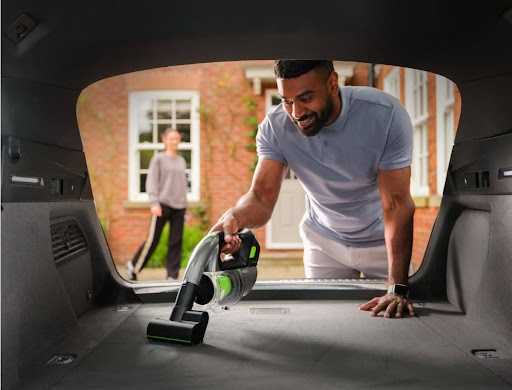
The car boot often collects heavier debris than the rest of the interior, including dirt, grit, pet hair and food spills. It’s used for transporting a wide range of items, so it’s also one of the quickest areas to become dirty.
Start by removing any loose items, storage trays or boot liners. If your car has a removable boot mat, take it out and shake it outdoors before vacuuming both sides.
Use an upholstery or wide-mouth attachment to vacuum the main boot area, working from the edges towards the centre. Pay special attention to:
- Corners and seams
- Around hinges and latches
- Under folded rear seats, if accessible
For deeper edges or narrow gaps, switch to a crevice tool to lift compacted dirt.
If you regularly transport pets, sports equipment or garden items, hoovering the boot more frequently helps prevent dirt and odours from spreading into your main cabin.
What to Avoid When Vacuuming Your Car
- Using stiff brushes on dashboards or screens
- Blowing dust out of air vents instead of removing it
- Vacuuming without removing floor mats
- Cleaning in a rushed order that spreads dirt
How Often Should You Deep Clean a Car Interior?
A thorough interior clean every four to six weeks helps maintain hygiene and comfort. Regular light vacuuming in between reduces the need for intensive cleaning sessions and keeps odours under control.
Why a Cordless Handheld Vacuum Works Well for Car Interiors
Car interiors feature tight spaces, delicate materials and awkward angles. Cordless handheld vacuums excel in these environments because they’re lightweight, portable and easy to manoeuvre.
Models such as the Gtech Multi, when paired with car-specific attachments, are designed to handle detailed interior cleaning without the limitations of cords or bulky housings - making them practical for both car and home use.
Learning how to clean a car interior properly is about consistency, the right tools and a logical approach. Regular vacuuming, attention to hidden areas and gentle treatment of delicate surfaces all contribute to a cleaner, more comfortable driving environment.
With a structured routine and suitable equipment, keeping your car interior in good condition becomes a manageable part of regular maintenance rather than a time-consuming chore.
Explore Gtech’s range of handheld vacuums to make car interior cleaning an easier chore.