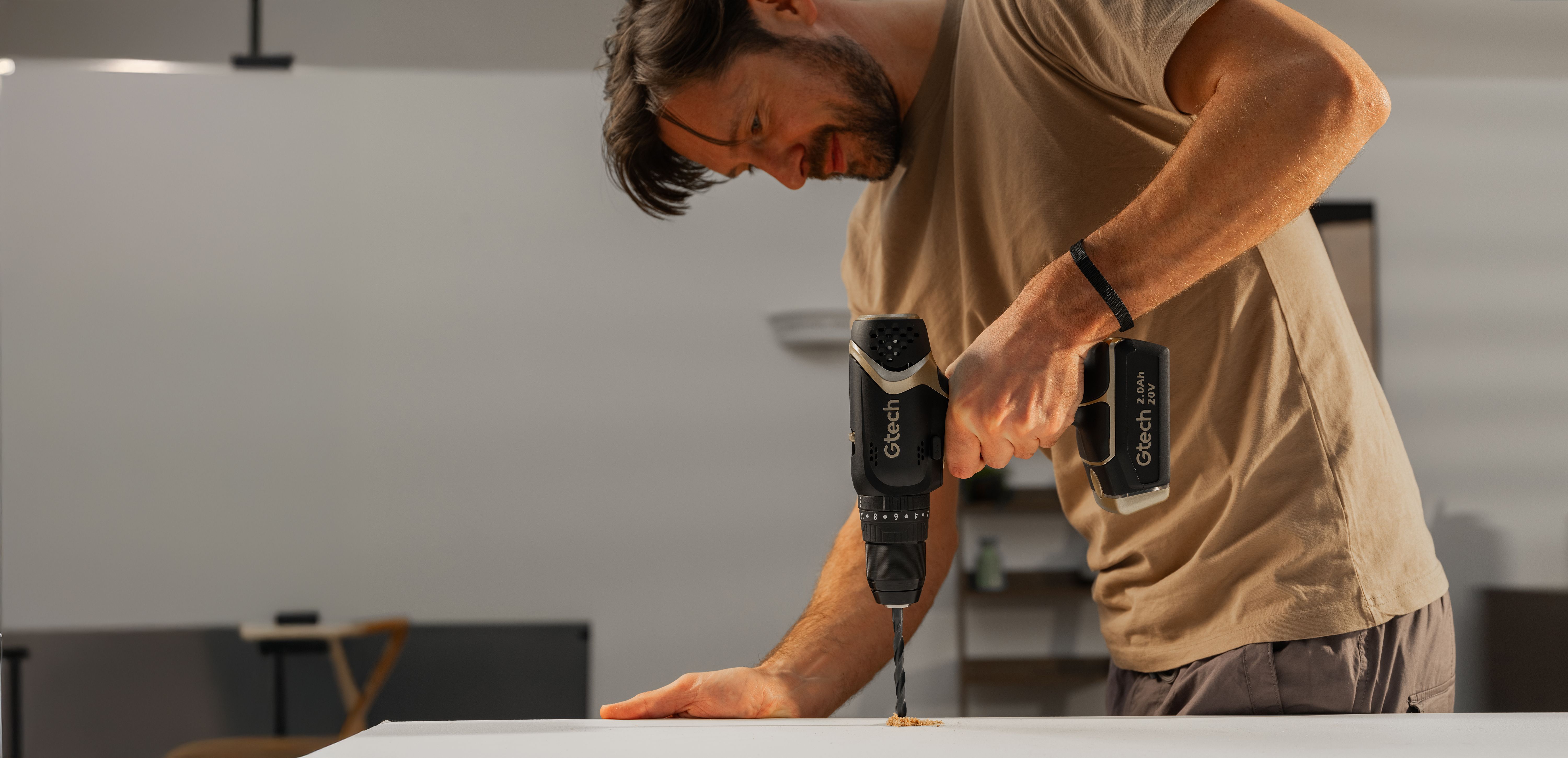
If you've ever driven a long screw into timber with a normal drill, you'll know the point at which the drill starts to work hard.
The motor slows. You push a little harder. The screw moves a little further. Then you wonder whether there's a better tool for the job.
There is.
It's called an impact driver.
An impact driver is designed to put a lot of rotational force behind a fastener, particularly when you're driving longer screws or working with tougher fixings. It does this differently from a conventional drill, using a mechanism that delivers rapid bursts of rotational force when the resistance increases.
That makes it very good at fastening.
It doesn't, however, mean an impact driver is simply a more powerful version of a drill. It's a different tool, designed with a different job in mind.
And that's worth understanding before you buy one.
So, what is an impact driver?
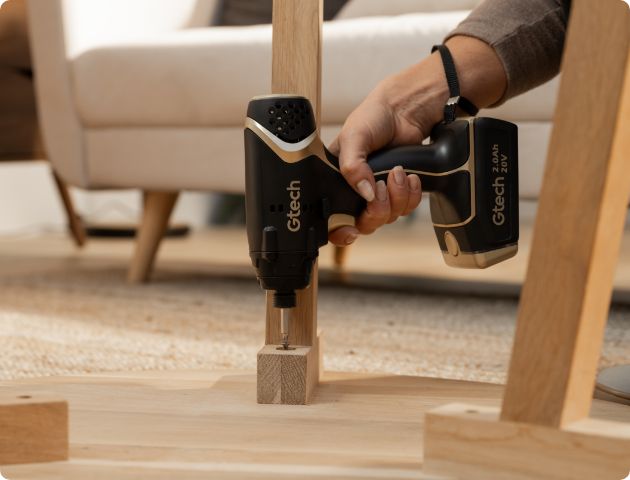
An impact driver is a compact cordless power tool designed primarily for driving screws, bolts and other fasteners.
The clue is in the name. When the fastener becomes difficult to turn, the tool's internal impact mechanism kicks in and delivers a series of rapid rotational impacts.
You can hear it when it happens. There's a distinctive rattling or knocking sound as the mechanism works.
Unlike a drill, which relies mainly on the motor's continuous rotation, an impact driver combines rotation with those short bursts of additional force.
That's what allows a relatively compact tool to deal with fasteners that can make a conventional drill struggle.
What does an impact driver actually do?
In simple terms, it drives things in and takes them out.
It's particularly useful for:
. Long screws
. Large fasteners
. Timber construction
. Decking
. Building sheds and workbenches
. Fixing brackets
. Repetitive screwdriving
. Removing stubborn fasteners
If you're putting up a picture or assembling a flat-pack wardrobe, you probably don't need one.
If you're building a deck and have a few hundred long screws to drive, you'll quickly understand why impact drivers exist.
How does an impact driver work?
This is the bit that makes an impact driver different.
Inside the tool is an impact mechanism that works alongside the motor.
When the fastener turns freely, the tool simply rotates.
As resistance increases, the mechanism engages and delivers rapid rotational impacts to the drive shaft. These impacts add considerably more turning force than the motor could comfortably provide through continuous rotation alone.
You don't need to understand the engineering in detail to use one.
The useful thing to know is this:
The harder the fastener is to turn, the more useful the impact mechanism becomes.
It's one reason impact drivers are so effective with long screws and tougher fixings.
And it's also why they can be surprisingly compact for the amount of torque they produce.
Why would you use one instead of a drill?
This is the question most people really want answered.
If a combi drill can already drive screws, why buy another tool?
Because driving a screw and driving a lot of difficult screws aren't quite the same job.
A combi drill is the better all-rounder. It can drill holes, drive screws and, with the right model, use hammer action for suitable masonry.
An impact driver is much more focused.
It's there when you want to drive fasteners with considerably more torque, particularly when you're working with larger screws or doing the same fastening job over and over again.
Think of a shelf going onto a wall. A combi drill makes sense.
Think of a timber project with dozens or hundreds of long screws. That's where an impact driver starts to earn its keep.
Impact driver vs combi drill
Neither is simply "better". They're good at different things.
| Feature | Combi drill | Impact driver |
|---|---|---|
| Drilling holes | Yes | Not its main purpose |
| Driving screws | Yes | Yes |
| Hammer drilling | Yes | No |
| Controlled screwdriving | Excellent | Less suited to delicate work |
| High-torque fastening | Good | Excellent |
| Best for | General DIY | Tougher, repetitive fastening |
If you're buying your first cordless power tool, I'd generally start with a combi drill because it can cover more types of job.
If you've already got a drill and regularly find yourself driving long screws or tackling timber construction, an impact driver is a much more logical second tool.
That's the distinction I'd keep in mind.
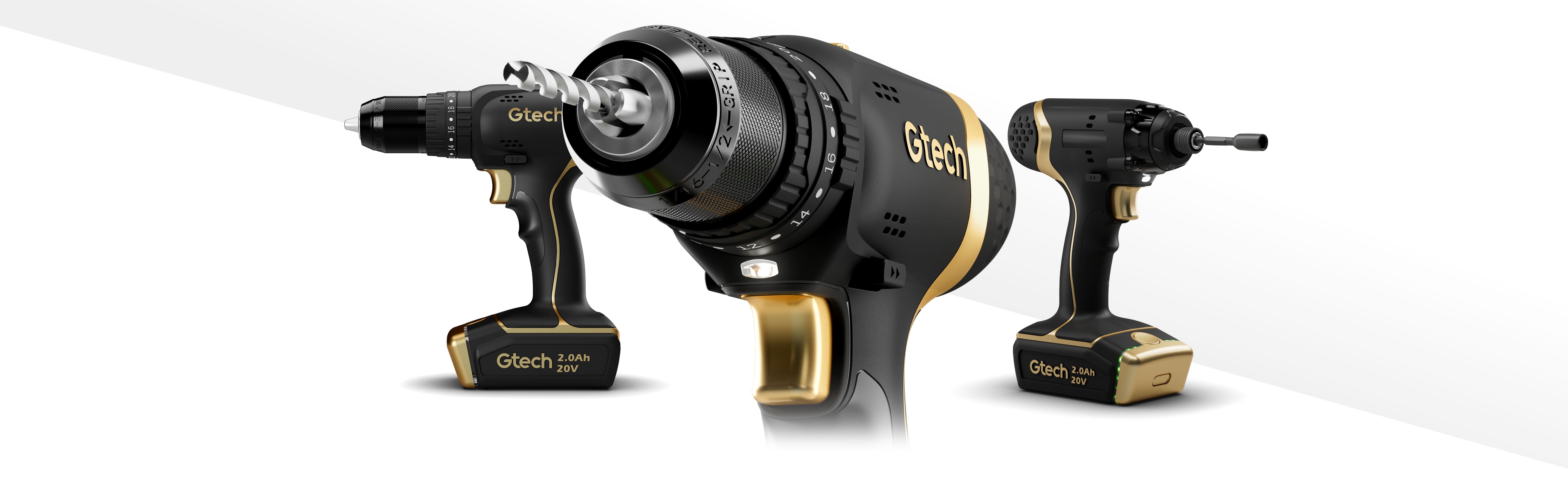
Gtech makes both. The current Gtech Combi Drill combines drilling, screwdriving and hammer functions, while the Gtech Impact Driver is designed specifically around higher-torque fastening and delivers up to 120Nm. Gtech Power Tools
Can you use an impact driver as a drill?
Sometimes, but I wouldn't buy one expecting it to replace your drill.
Some impact drivers can take suitable drill bits or adaptors, and there are drill bits specifically designed for use with impact drivers.
But that's not what the tool is primarily for.
For everyday drilling, a drill or combi drill gives you better control and is generally the more sensible choice.
An impact driver is at its best when you're fastening.
That's an important distinction because buying the most powerful-looking tool isn't necessarily the same as buying the right tool.
What bits do you use with an impact driver?
This is one area where you shouldn't simply grab whatever bits happen to be in the toolbox.
The repeated impacts generated by an impact driver put more stress on the accessory, so impact-rated bits and accessories are designed to cope with those forces.
You'll find impact-rated versions of common accessories, including:
Phillips bits
Pozidriv bits
Torx bits
Hex bits
Nut drivers
Socket adapters
Certain drill bits
If you're using an impact driver regularly, it's worth buying accessories specifically designed for it.
That's not just a marketing distinction. The accessory needs to withstand the way the tool delivers its torque.
What are impact drivers good for?
The best way to understand an impact driver is to think about the jobs where torque and repetition become the problem.
Building decking
Lots of long screws into timber is almost a textbook impact-driver job.
Timber projects
Sheds, workbenches, raised beds, garden structures and similar projects can involve a lot of fastening.
Long screws
As a screw gets longer and resistance increases, the extra torque of an impact driver becomes useful.
Stubborn fasteners
An impact driver can also help loosen fasteners that have become difficult to turn.
The exact capability will always depend on the tool, bit, fastener and material, so it's important to stay within the manufacturer's specifications.
Are impact drivers difficult to use?
No, but they can take a little getting used to.
The first surprise for many people is just how much force they have.
If you're used to a drill, it's tempting to squeeze the trigger and let it run.
With an impact driver, that's not always the best approach.
Start slowly. Let the bit settle into the fastener. Keep the tool straight. Then increase the speed as you need it.
And don't assume that because the tool can keep driving, you should let it.
It's quite easy to bury a screw deeper than intended with an impact driver.
For delicate work, a drill with an adjustable clutch can give you much finer control.
How do you use an impact driver?
There's nothing complicated about the basic technique.
Choose the right bit. Make sure it's suitable for the fastener and rated for impact use where appropriate.
Seat the bit properly. Keep it square with the fastener.
Start slowly. Give the bit a chance to engage before increasing the trigger pressure.
Keep the tool straight. This reduces the chance of slipping and damaging the fastener.
Let the impact mechanism work. You don't need to lean heavily into the tool.
Stop when you're there. More torque isn't automatically better. Once the screw is at the right depth, release the trigger.
It sounds obvious, but controlling an impact driver is as much about knowing when to stop as it is about having the power to continue.
Do I need an impact driver?
For most people, the answer is not necessarily.
If your DIY consists mainly of putting up shelves, assembling furniture, hanging pictures and drilling the occasional hole, a combi drill is likely to be more useful.
An impact driver becomes more interesting when you start doing jobs involving:
. Lots of screws
. Long screws
. Large fixings
. Timber construction
. Repetitive fastening
. Fasteners that regularly make your drill struggle
So don't buy one because it has a bigger torque number.
Buy one because you've got jobs that need what it does.
When isn't an impact driver the right tool?
This is worth saying because power-tool advice can sometimes make everything sound like a nail waiting for a bigger hammer.
An impact driver isn't the best choice for every job.
I'd reach for a drill or combi drill for:
. General drilling
. Controlled screwdriving
. Smaller fixings
. Delicate materials
. Jobs where adjustable clutch control is useful
For heavy-duty masonry, you'd normally want a dedicated hammer or SDS drill.
The right tool depends on the job.
That's actually the advantage of having different tools available: you can use the one that's designed for the work rather than asking one machine to do everything.
What makes the Gtech Impact Driver different?
Gtech's Impact Driver is built for the jobs where a conventional drill starts to feel like hard work.
It delivers up to 120Nm of torque and uses Gtech's 20V rechargeable battery system, which is shared across compatible Gtech Power Tools. Gtech Power Tools
There's a variable-speed trigger, an LED work light and a compact design intended to make it easier to work in tighter spaces.
But the important specification is the one that matters when you're actually using it:
120Nm of torque means there's plenty of force available when a fastener starts putting up a fight.
That makes it suited to the kind of tougher fastening jobs where an ordinary drill can become frustrating.
Do you need an impact driver and a combi drill?
If you do enough DIY, there's a good argument for having both.
Not because you need two versions of the same tool.
Because they solve different problems.
A combi drill gives you versatility:
drill + screw + hammer drill
An impact driver gives you fastening power:
drive + drive + drive
If you're starting your toolkit from nothing, I'd buy the combi drill first.
If you've already got one and are starting to take on bigger timber projects, lots of long screws or more demanding fastening, an impact driver could be the next useful addition.
The simplest way to decide
Forget the specification sheet for a moment.
Think about your next DIY job.
If you're drilling holes and driving ordinary screws, your combi drill is probably exactly what you need.
If you're driving long screws into timber, building a deck or repeatedly fastening larger fixings, an impact driver could save you a lot of effort.
The best power tool isn't the one with the biggest number. It's the one that suits the job in front of you.
Frequently asked questions
What is an impact driver?
An impact driver is a cordless power tool designed primarily for driving screws, bolts and other fasteners with high rotational torque.
What does an impact driver do?
It drives fasteners using a combination of motor rotation and rapid rotational impacts, making it particularly useful for tougher or repetitive fastening jobs.
What is an impact driver used for?
Common uses include decking, timber construction, long screws, large fixings and other jobs where higher fastening torque is useful.
How does an impact driver work?
When resistance increases, an internal impact mechanism delivers rapid rotational impacts to the drive shaft, helping the tool produce additional torque.
Can you use an impact driver as a drill?
Some impact drivers can accept suitable drill bits or adaptors, but a drill or combi drill is generally better for everyday drilling.
What bits do you use with an impact driver?
Use suitable impact-rated screwdriver bits, socket adapters and drill bits where required. The accessory should be designed to withstand the forces generated by the tool.
What's the difference between an impact driver and a drill?
A drill is a more versatile tool for drilling and controlled screwdriving. An impact driver specialises in high-torque fastening.
What's the difference between an impact driver and a combi drill?
A combi drill can drill, drive screws and hammer drill. An impact driver is primarily designed for high-torque fastening.
Do I need an impact driver?
You may benefit from one if you regularly drive long screws, larger fasteners or work on timber construction. For general DIY, a combi drill is usually more versatile.
Are impact drivers good for beginners?
Yes, provided they're used carefully. Their high torque means it's sensible to start slowly, use the correct accessories and get used to how the tool responds.
Ready for tougher fastening jobs?
If you've got a few screws to drive, an ordinary drill may be all you need.
If you've got a few hundred long screws to drive, you might want an impact driver.
That's really what it comes down to.